

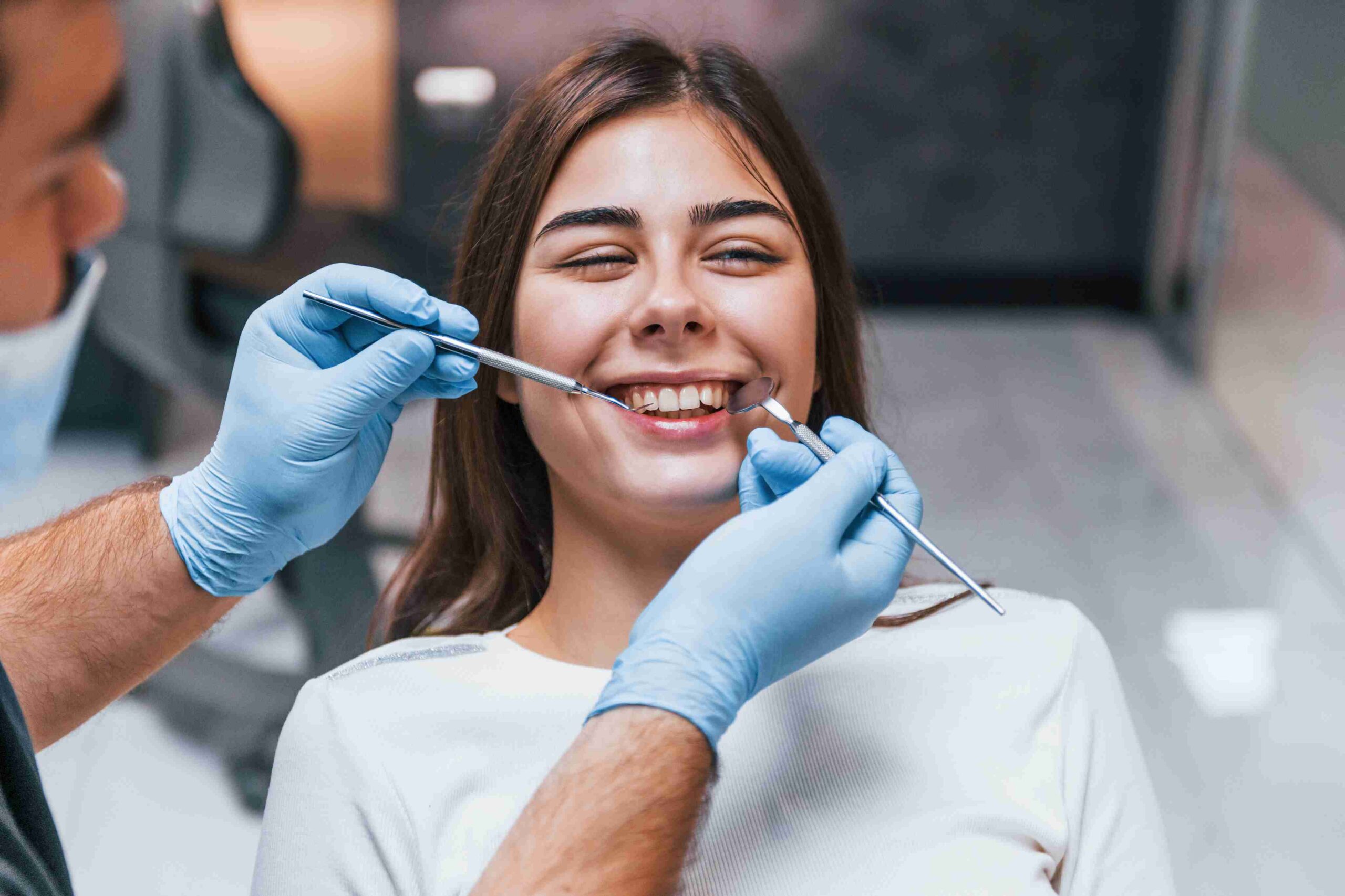
Dental Veneers Toronto ON may help suitable patients improve selected cosmetic concerns such as chipped edges, worn teeth, uneven shape, small gaps, mild discoloration, or teeth that appear out of balance. Before veneers are recommended, a dentist should review gum health, enamel, bite pressure, cavities, tooth sensitivity, old restorations, and expectations. Patients in downtown Toronto and Church-Wellesley Village may need porcelain, composite, whitening, aligner, or restorative planning depending on the exam.
Small tooth changes can affect how a smile looks and feels. A chipped edge may draw attention to photos. Worn front teeth may make the smile look uneven. A tooth that is darker or smaller than the others can make patients wonder whether cosmetic treatment may help. In downtown Toronto and Church-Wellesley Village, veneer planning often begins with these practical concerns.
Dental veneers Toronto ON may be discussed when a patient wants to improve tooth shape, colour, size, or balance. Veneers are not the right answer for every cosmetic issue, so the dentist should first review gums, enamel, bite pressure, cavities, tooth sensitivity, and old dental work. A careful exam helps patients understand whether veneers may be suitable or whether another option should come first.
Veneers Cover the Visible Front Surface
Veneers are thin restorations that are placed on the front surface of selected teeth. They may be used to change the appearance of tooth colour, shape, length, or minor spacing.
They do not move teeth like aligners, and they do not treat gum disease or active decay. A healthy foundation is needed before cosmetic treatment is planned.
This is why veneer care should start with an oral health review.
Cosmetic Concerns Should Be Named Clearly
A patient asking about veneers Toronto ON may have several possible goals.
One person may want to improve their chipped edges. Another may want to reduce the appearance of small gaps. Someone else may be focused on uneven shape, tooth colour, or worn enamel.
Naming the concern clearly helps the dentist explain whether veneers, bonding, teeth whitening, aligners, crowns, or another option may fit better.
Porcelain and Composite Options Are Different
Patients considering porcelain veneers Toronto ON may want a durable cosmetic option for selected front teeth.
Porcelain veneers are made outside the mouth and are bonded to the teeth after planning and preparation. They may be used for certain colour, shape, or spacing concerns, but they still require healthy gums and careful bite review.
The dentist can explain whether porcelain is suitable after evaluating the teeth.
Composite Options May Fit Smaller Changes
Composite veneers may be discussed for selected cosmetic improvements using tooth-colored resin.
Composite may be used to adjust shape, repair small chips, or improve tooth appearance in certain cases. It may not fit every bite pattern, stain concern, or long-term cosmetic goal.
The dentist should review enamel, bite pressure, habits, and expectations before recommending this approach.
Service Questions Should Begin with an Exam
A patient searching for tooth veneers services may be ready to compare cosmetic options, but the first step should still be diagnosis and planning.
The dentist may check gum health, cavities, old fillings, tooth wear, grinding, enamel thickness, and bite contacts. These factors affect whether veneers can be planned safely.
A service name alone cannot show whether the teeth are ready.
Treatment Planning Should Include Long-Term Care
Patients asking about teeth veneers’ treatment may want to know what the process involves and how veneers are maintained.
The dentist may discuss consultation, shade planning, tooth preparation, temporary restorations in selected cases, final bonding, bite checks, and follow-up. The exact process depends on the type of veneer and the patient’s oral health.
Veneers still need daily brushing, flossing, and regular dental visits.
Gum Health Shapes the Final Look
Gum inflammation, swelling, recession, or uneven gumlines can affect how veneers look and feel. Bleeding gums may also make bonding and shade planning more difficult.
The dentist may recommend cleaning, home care changes, or gum treatment before cosmetic work begins. Healthy gums help create a cleaner edge around the restoration.
Cosmetic planning works best when the tissues are stable.
A Second Look at Cosmetic Goals Matters
A second discussion of veneers in Toronto, ON may happen after the dentist reviews the full smile rather than one tooth alone.
The dentist may assess symmetry, tooth length, gum display, colour, spacing, lip movement, and bite. One tooth may need treatment, or several teeth may need coordinated planning.
A balanced result depends on how the teeth work together.
Porcelain Planning Requires Bite Review
A second discussion about porcelain veneers in Toronto, ON should include how the upper and lower teeth meet.
Heavy biting pressure, grinding, clenching, or edge-to-edge tooth contact may increase the risk of chipping or damage. The dentist may recommend managing bite forces before or after treatment.
A veneer should be planned for both appearance and function.
Composite Planning May Be More Conservative in Some Cases
A second use of composite veneers may apply when patients want to address a small chip, edge wear, or minor shape of concern.
Composites can sometimes require less tooth preparation than other options, depending on the case. It can still stain, chip, or wear over time, especially if bite pressure is high.
The dentist should explain the benefits and limits before treatment begins.
Old Fillings and Crowns Change the Plan
Front teeth with old fillings, bonding, crowns, or large restorations may need a different cosmetic approach. Veneers bond to enamel best when enough healthy enamel is available.
If a tooth has a large filling or weakened structure, a crown may be discussed instead. If a filling is small, the dentist may explain how it affects veneer planning.
Existing dental work can change the recommended option.
A Second Service Review Should Include Maintenance
A patient searching again for tooth veneers services may want a cosmetic option that looks natural and fits daily life.
Maintenance should be part of the discussion. Veneers need brushing, flossing, careful biting habits, and regular monitoring. Patients who grind or clench may need extra protection.
Cosmetic dental work should be cared for like an investment in oral health.
Treatment Should Be Sequenced Correctly
A second mention of teeth veneers treatment may involve timing with whitening, aligners, or gum care.
Whitening should often be considered before final shade selection because veneers do not whiten after placement. Aligners may be discussed first if a tooth position affects the cosmetic goal. Gum care may need to happen before impressions or bonding.
The right sequence can help one step support the next.
Sensitivity Should Be Reviewed Before Cosmetic Care
Tooth sensitivity may come from gum recession, enamel wear, cavities, cracks, grinding, or exposed roots. Veneers are not meant to hide an active dental problem.
The dentist should check why a tooth is sensitive before cosmetic treatment is recommended. If decay, gum recession, or bite stress is present, that concern may need to be taken first.
Comfort and health should guide the plan.
What to Expect During a Veneer Consultation
Before the appointment, patients should think about what bothers them most: colour, chips, worn edges, spacing, tooth size, shape, or uneven appearance.
During a visit with Church Street Dental Care, the dentist may examine teeth, gums, bite, enamel, restorations, and smile balance. Photos, X-rays, shade review, or models may be recommended depending on the case.
After the evaluation, patients should understand whether veneers may be suitable and whether other care should happen first.
What Veneers Can and Cannot Do
Veneers may improve selected cosmetic concerns involving tooth shape, colour, size, small gaps, chips, or worn edges. They may help create a more even smile when the teeth and gums are healthy enough.
They cannot treat active decay, gum disease, infection, severe crowding, or major bite problems. They also do not make artificial dental materials whiten later.
A realistic plan helps patients avoid disappointment.
Daily Habits Affect Longevity
Patients should avoid using teeth as tools, biting hard objects, chewing ice, or ignoring grinding and clenching habits. These forces can affect veneers and natural teeth.
Daily brushing and flossing remain important because decay can still develop around the edges of restorations. Gum health also needs ongoing care.
Regular dental visits help monitor the veneers and the teeth supporting them.
Possible Benefits for Suitable Patients
Veneers may help selected patients improve their tooth shape, brighten the appearance of certain teeth, repair small chips, reduce the look of minor gaps, and create better smile balance.
Benefits depend on enamel, gum health, bite pressure, habits, material choice, and ongoing care. Not all cosmetic concerns need veneers, and not all teeth are suitable.
A careful plan helps match the patient’s goals.
Local Patient Review
“I asked about improving my chipped front teeth and learned that my bite and old bonding needed to be checked first. The explanation helped me understand my options.”
Cosmetic Planning Should Start With Healthy Teeth
Veneers may be helpful when the teeth, gums, bite, and expectations support treatment. Patients in downtown Toronto and Church-Wellesley Village can visit Church Street Dental Care to review veneer options and plan a smile update that fits their oral health.
Frequently Asked Questions
What concerns can veneers help with?
They may help select chips, worn edges, uneven shapes, small gaps, and certain colour concerns.
Are veneers right for every patient?
No. Suitability depends on gum health, enamel, cavities, bite pressure, restorations, and patient goals.
Do veneers whiten over time?
No. The shade is chosen before placement, so whitening goals should be discussed before final planning.
Can veneers fix crooked teeth?
They may improve the look of minor unevenness, but tooth movement may be better for some alignment concerns.
Will the dentist check my bite first?
Yes. Bite pressure, grinding, clenching, and edge wear can affect cosmetic treatment planning.
Can veneers be placed over cavities?
No. Active decay should be treated before cosmetic restorations are planned.
How should veneers be cared for?
Brush, floss, avoid biting hard objects, attend regular visits, and follow any protection recommendations.
Can one tooth be treated?
Sometimes. The dentist will check shade, shape, bite, and nearby teeth before recommending single-tooth care.