
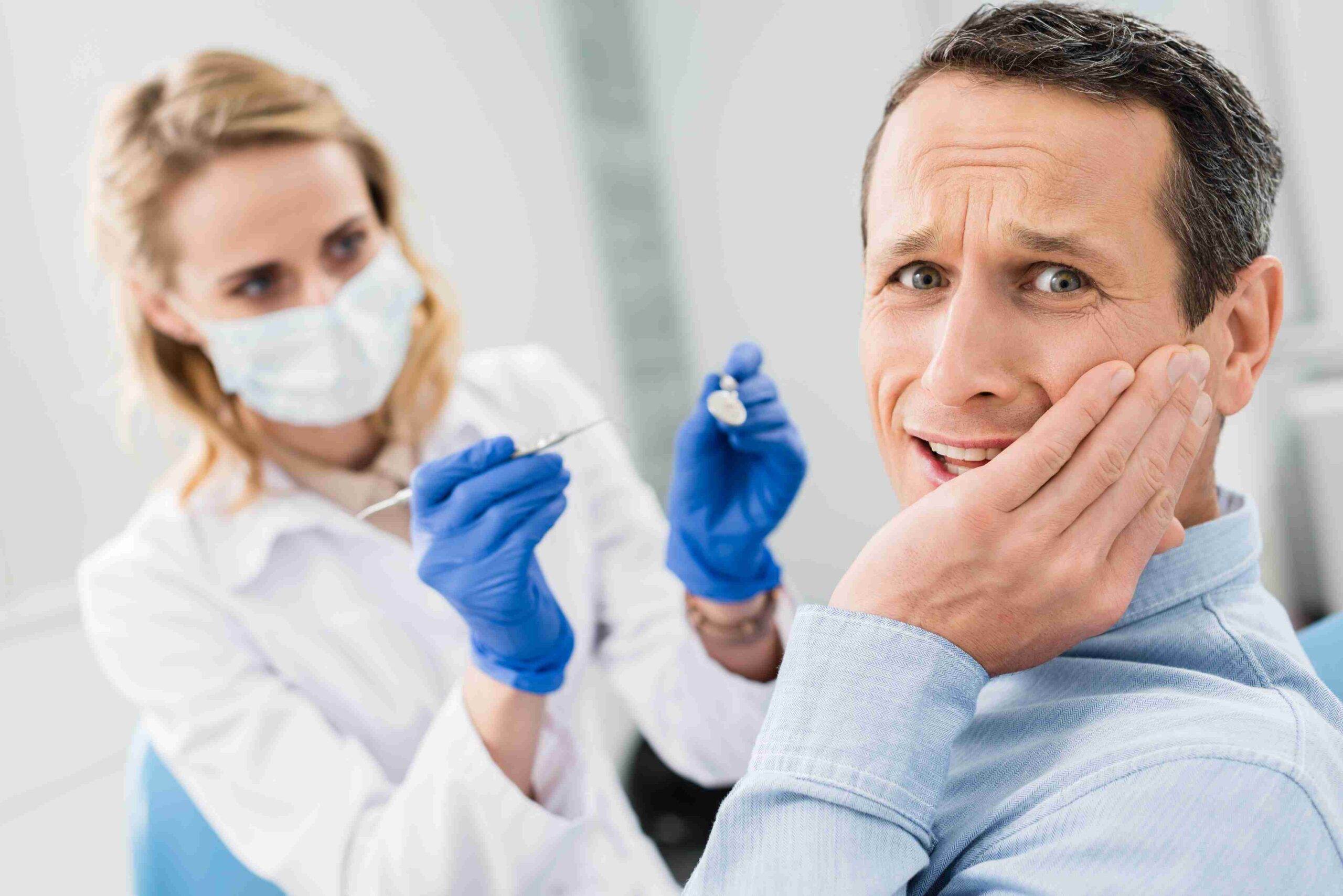
An emergency dentist at Church-Wellesley Village, ON may be needed for severe tooth pain, swelling, broken teeth, lost fillings, loose crowns, dental trauma, bleeding that does not stop, or signs of infection. Patients in Church-Wellesley Village should seek urgent dental or medical care for fever, pus, spreading swelling, heavy bleeding, or trouble swallowing or breathing. Emergency dental visits focus on diagnosis first, then treatment, stabilization, or follow-up planning based on the cause.
Dental pain can be hard to judge. One tooth may ache only when biting, while another may throb without warning. A crown can loosen during a meal, or swelling can appear near the gumline and make the whole side of the mouth feel tender.
Patients searching for an emergency dentist at church-Wellesley Village, ON often need help deciding whether a symptom can wait. Severe pain, swelling, trauma, infection signs, broken teeth, or damaged dental work should be checked promptly.
For patients in Church-Wellesley Village, emergency dental care should begin with a clear exam. The dentist needs to identify the source of the problem before explaining treatment, temporary protection, medication when appropriate, or follow-up care.
Pain Patterns Can Give Clues
Different types of dental pain may point to different concerns. A sharp bite pain may suggest a crack, high filling, or inflamed ligament around a tooth. Lingering heat pain may suggest deeper nerve irritation.
A dull ache near the gums may be linked to inflammation, food trapping, or infection. Throbbing pain that affects sleep should be checked, especially if it returns after pain relief.
Patients should describe the pain in detail. The timing, trigger, location, and duration can help the dentist choose the right tests.
When Emergency Dentist Church-Wellesley Village ON Care May Be Needed
An emergency dentist at Church-Wellesley Village ON visit may be needed when symptoms suggest infection, tooth fracture, deep decay, gum abscess, dental trauma, or a damaged restoration.
Urgent dental care may be needed for severe toothache, swelling, pus near the gums, a broken tooth, a knocked-out tooth, uncontrolled bleeding, or a loose crown that leaves the tooth painful or exposed.
Not every emergency visit finishes all treatment that day. Some visits focus on diagnosis, comfort, stabilizing the teeth, and planning the next step.
Swelling and Infection Signs
Swelling near the gum, jaw, cheek, or face should be taken seriously. Dental swelling may be linked to infection, trauma, or gum disease.
Warning signs include fever, pus, bad taste, spreading swelling, swelling near the eye, trouble opening the mouth, or worsening pressure. Trouble swallowing or breathing needs urgent medical attention.
Patients should not try to drain swelling at home. The dentist needs to locate the source and recommend safe care based on the diagnosis.
Broken Teeth and Lost Fillings
A tooth may break because of decay, a large old filling, clenching, trauma, or chewing something hard. The broken area may feel sharp, rough, sensitive, or painful when biting.
A lost filling can expose an inner tooth structure. Food may be collected in space, and temperature changes may cause discomfort.
Patients in Church-Wellesley Village should avoid chewing on the damaged side until the tooth is checked. If a tooth piece or filling comes out, bring it to the appointment when possible.
Loose Crowns Need a Closer Look
A loose or lost crown should not simply be placed back without checking the tooth underneath. Decay, fracture, cement breakdown, or bite pressure may have caused the crown to loosen.
If the crown comes off, keep it in a small container and bring it to the dental visit. Avoid using household glue or other non-dental products.
The dentist may check whether the crown still fits, whether the tooth is healthy enough to support it, and whether a new restoration is needed.
Dental Trauma After a Fall or Hit
Dental trauma may include chipped teeth, loose teeth, moved teeth, cuts inside the mouth, or a knocked-out tooth. Pain may be mild at first even if the root or surrounding bone is affected.
If a permanent tooth is knocked out, hold it by the crown, not the root. Keep it moist in milk or inside the cheek if safe and seek urgent dental care quickly.
Jaw injury, heavy bleeding, deep cuts, or head injury symptoms should be evaluated promptly. Trauma can involve more than the visible tooth surface.
What to Do Before the Appointment
Rinse gently with warm water if the mouth feels dirty or food is trapped. A cold compress on the outside of the face may help after injury or swelling.
Avoid chewing on the painful area. Save crowns, fillings, or tooth pieces if available. Write down when symptoms start and what makes pain better or worse.
For severe swelling, fever, heavy bleeding, trouble swallowing, or trouble breathing, seek urgent dental or medical care. These signs should not wait for a routine visit.
How Diagnosis Guides Emergency Care
Emergency dental care should not rely on guesswork. The dentist may examine the painful tooth, nearby teeth, gums, bite, jaw movement, and oral tissues.
X-rays may be recommended to check for decay, infection, bone changes, root concerns, or damage under old dental work. Some cracks may require bite tests or other checks.
After diagnosis, care may include a temporary repair, smoothing a sharp edge, treating infection risk when appropriate, relieving pressure, recommending root canal treatment, discussing extraction, or planning restorative care.
Why Follow-Up Is Often Needed
An emergency visit may reduce pain or stabilize the tooth, but final care may still be needed. A temporary filling, medication, or protective step may not solve the full problem.
A tooth may need permanent filling, crown, root canal treatment, extraction, gum care, or bite adjustment. The plan depends on the tooth and diagnosis.
Patients should follow aftercare instructions and return if symptoms worsen. Follow-up helps reduce the chance of repeated urgent visits.
What Patients May Value from Emergency Care
Urgent dental care can help patients move from uncertainty to a clearer plan.
Patients may value:
- Focused exam for pain
- Swelling and infection review
- Broken tooth assessment
- Lost filling or crown evaluation
- Dental trauma guidance
- X-rays when needed
- Temporary protection when suitable
- Follow-up planning after diagnosis
- These benefits depend on the specific emergency and condition of the tooth or gums.
What to Expect Before During and After
Before the visit, patients should share the main concern when contacting the office. Pain level, swelling, fever, trauma, bleeding, or broken dental work should be mentioned.
During the visit, the dentist may complete a focused exam and take X-rays when needed. The first goal is to understand what is causing the symptoms.
After the visit, patients should know what was done, what still needs care, and what warning signs require attention. Clear instructions are part of emergency care.
Local Patient Review
“I had swelling near one tooth and thought it might settle on its own. The visit helped explain why it needed treatment planning instead of more waiting.”
A Calm Plan for Urgent Dental Symptoms
Dental pain, swelling, broken teeth, trauma, and damaged dental work should be checked before symptoms become harder to manage. Patients in Church-Wellesley Village can use emergency dental care to understand the cause and plan the right follow-up. Through Church Street Dental Care, urgent visits can focus on diagnosis, safety, stabilization, and clear next steps.
Frequently Asked Questions
What does throbbing tooth pain usually mean?
Throbbing pain may be linked to nerve irritation, infection, deep decay, or pressure around the tooth. It should be checked if it is strong or returning.
Can I wait if a crown to fall off but there is no pain?
It is still best to have it checked. The exposed tooth may be vulnerable, and the crown may not fit safely if decay or fracture is present.
Why does tooth pain get worse at night?
Lying down can change pressure and make inflamed teeth feel more noticeable. Night pain should be evaluated, especially if it wakes you up.
Can an emergency dentist church-Wellesley Village ON check gum swelling?
Yes, gum swelling can be evaluated to see whether it is linked to infection, trapped debris, gum disease, or another dental concern.
What should I avoid with a broken tooth?
Avoid chewing on that side and avoid hard or sticky foods. Bring any broken pieces to the dental appointment if you have it.
Is a bad taste a dental warning sign?
A bad taste may be linked to drainage, trapped food, decay, or gum infection. It should be mentioned during an urgent dental visit.
Why might my emergency visit need X-rays?
X-rays can show hidden decay, infection, bone changes, root concerns, or damage under old dental work that cannot be seen directly.
What if swelling spreads beyond my gums?
Spreading swelling, fever, or trouble swallowing or breathing needs urgent dental or medical care. These symptoms should not be delayed.