

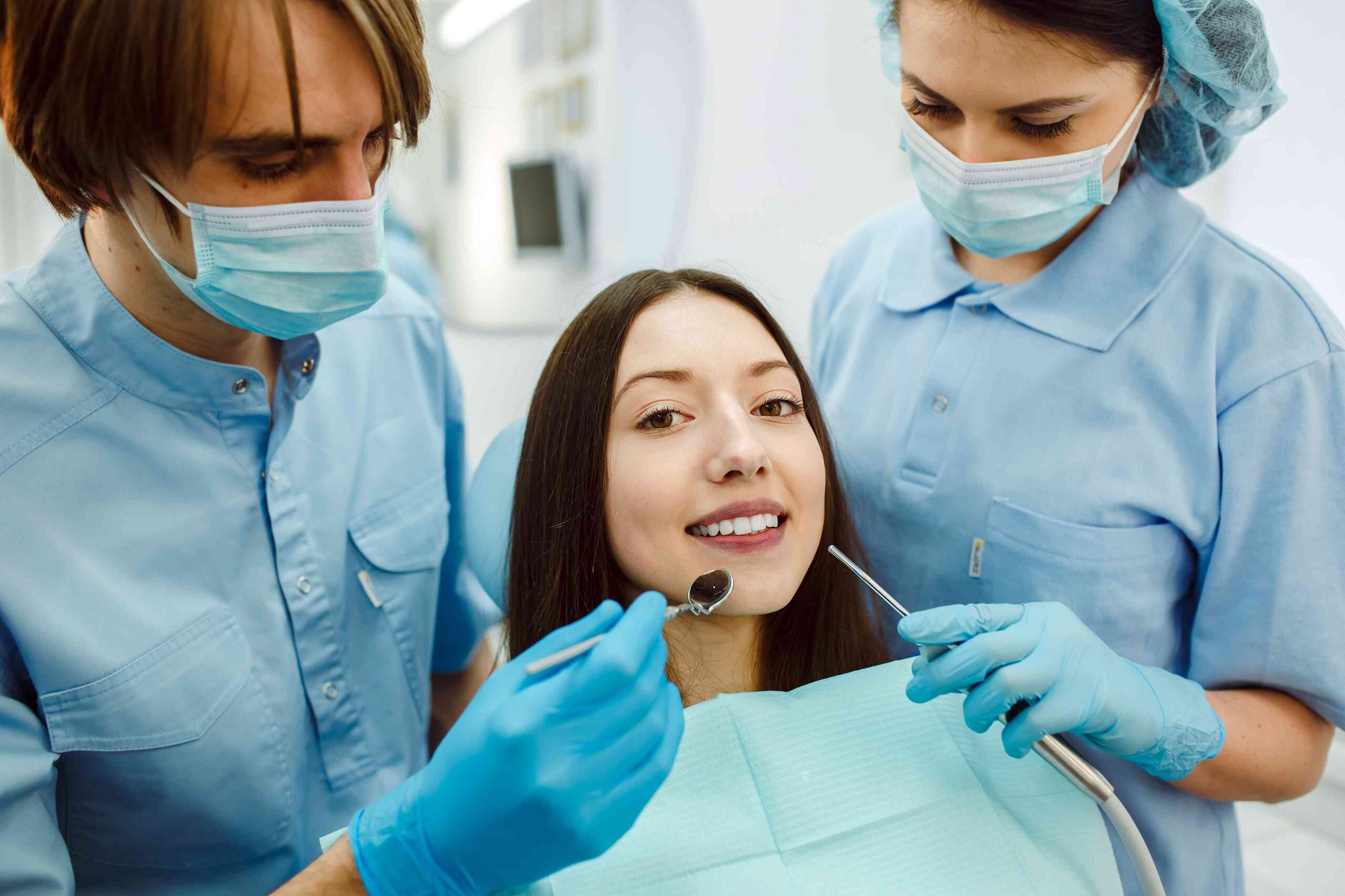
A dentist at Church-Wellesley Village, ON can help patients protect their oral health through preventive exams, cleanings, gum checks, cavity screening, dry mouth review, bite monitoring, and home care guidance. Preventive visits may identify early changes around teeth, gums, restorations, and enamel before symptoms become harder to manage. Patients in Church-Wellesley Village can use routine dental appointments to understand personal risk factors, ask focused questions, and decide whether treatment, monitoring, or daily care changes are needed.
Preventive dental care works best when it is personal. One patient may have strong brushing habits but still build tartar behind the lower front teeth. Another may have a dry mouth, gum recession, or a tooth that feels slightly rough after years of chewing. These details can change what prevention should look like.
Patients searching for a dentist at church-Wellesley Village, ON often want more than a basic checkup. They may need help understanding gum bleeding, sensitivity, food trapping, worn enamel, or older fillings that no longer feel smooth.
For patients in Church-Wellesley Village, a routine visit can make oral health easier to follow. The dentist can explain what looks stable, what should be watched, and what may need to be cared for based on the exam.
Prevention Should Match the Patient
Not every patient has the same dental risks. Saliva flow, brushing habits, diet, medications, tooth spacing, gum health, and past dental work can all affect how teeth and gums respond over time.
A patient with tight contacts between teeth may need different home care advice than someone with bridges, gum recession, or dry mouth. A patient who grinds may need bite monitoring as part of prevention.
A dentist near Church-Wellesley Village can use routine visits to find patterns. This makes guidance more useful because it is based on what is happening in the mouth, not on general advice alone.
What Dentist Church-Wellesley Village ON Visits May Include
A dentist church-Wellesley Village ON appointment may include a health history review, symptom discussion, dental exam, cleaning, gum measurements, oral tissue check, and bite evaluation. X-rays may be recommended when hidden areas need to review.
Patients should mention sensitivity, bleeding gums, dry mouth, jaw tightness, food trapping, rough fillings, loose restorations, or pain when chewing. Even small details can help the dentist focus on the exam.
After the visit, patients should understand the findings. Some may need only routine prevention. Others may need gum care, cavity treatment, crown evaluation, bite monitoring, or follow-up based on diagnosis.
Cleanings Remove Hardened Buildup
Brushing and flossing remove daily plaque, but plaque can harden into tartar when it stays in place. Tartar cannot be removed with a regular toothbrush.
Professional cleaning helps remove buildup around the teeth and gumline. This can reduce irritation and help the dental team see the tooth surfaces more clearly.
For patients in Church-Wellesley Village, cleaning can also show where buildup returns most often. That can guide better techniques at home.
Gum Health Is a Long-Term Signal
Gums can show early signs of oral health changes. Bleeding, puffiness, tenderness, recession, or deeper gum pockets may suggest that plaque, tartar, or inflammation needs attention.
Gum measurements help track support around teeth. These numbers allow the dentist to compare changes over time instead of relying only on how the gums look at that day.
Patients should ask where bleeding or deeper pockets were found. Knowing the exact areas can make home care more focused.
Dry Mouth Can Affect Teeth and Gums
Dry mouths are easy to overlook, but saliva plays a major role in oral health. Saliva helps rinse food, balance acids, and protects enamel.
Medications, mouth breathing, dehydration, health conditions, stress, or aging may contribute to dry mouth. Patients may notice sticky saliva, frequent thirst, bad breath, or more cavities.
During a routine dental visit to Church-Wellesley Village, patients should mention dry mouth even if it does not seem like a dental concern. The dentist can look for signs of enamel risk, gum irritation, or plaque buildup.
Sensitivity Is Not Always Simple
Tooth sensitivity may come from gum recession, enamel wear, cavities, cracks, clenching, whitening products, or a filling that needs review. The timing and trigger can help narrow the cause.
A short cold zing may mean something different from pain that lingers. Biting pain may point toward a crack, tooth inflammation, or bite pressure.
Patients should describe sensitivity clearly. The dentist may test the tooth, check the bite, review gums, and use X-rays when needed.
Tooth Wear and Bite Changes
Tooth wear often develops slowly. Clenching, grinding, acid exposure, missing teeth, or uneven bite contact can wear enamel and stress restorations.
Some patients notice flattened edges, small chips, jaw tightness, or teeth that feel tired in the morning. Others may not notice wearing until it is seen during an exam.
Bite monitoring can help identify teeth under extra pressure. Depending on the findings, the dentist may recommend observation, repair, or protective options when appropriate.
Older Dental Work Needs Routine Checks
Fillings, crowns & bridges, and bonding can change with use. A filling may chip, a crown edge may collect plaque, or a bridge may become harder to clean around.
Patients should mention floss that shreds, food that catches, rough edges, or a restoration that feels high when biting. These signs may point to an area that needs closer review.
Checking older dental work during preventive visits can help patients plan care before sudden discomfort or breakage occurs.
Home Care Tools Should Fit the Mouth
Daily care matters between appointments. Brushing twice daily with fluoride toothpaste and cleaning between teeth are basic steps, but the right tools may vary.
Some patients may do well with floss. Others may need interdental brushes, floss threaders, or a water flosser, depending on tooth spacing, restorations, or gum changes.
Patients in Church-Wellesley Village should ask which areas they are missing. Practical feedback can make daily cleaning easier to maintain.
What Patients May Gain from Preventive Care
Preventive visits can help patients understand their oral health instead of guessing symptoms.
Patients may value:
- Cleaner teeth and fresher-feeling gums
- Early review of decay risk
- Gum health tracking
- Dry mouth discussion
- Bite and wear monitoring
- Review of older restorations
- Home care guidance for specific areas
- A clearer plan for follow-up
- These benefits depend on regular care, daily habits, and each patient’s oral health risks.
What to Expect Before During and After
Before the appointment, patients can think about changes since the last visit. Sensitivity, bleeding, dry mouth, rough dental work, jaw soreness, or food trapping should be shared.
During the visit, the dental team may complete a cleaning, exam, gum check, oral tissue screening, bite review, and X-rays when needed. Findings should be explained in a simple language.
After the appointment, patients should know whether they need monitoring, treatment, home care changes, or a future preventive visit. The next step should feel clear.
Local Patient Review
“I mentioned that my mouth felt dry most mornings, and the visit connected it with areas that needed more attention. The advice felt specific and easy to follow.”
Prevention With a Clearer Purpose
Preventive dental visits help Church-Wellesley Village patients understand what their mouth needs now and what should be watched over time. Cleanings, gum checks, dry mouth review, bite monitoring, and home care guidance can support steady oral health. With Church Street Dental Care, patients can receive practical prevention shaped around current findings and long-term care needs.
Frequently Asked Questions
Why do I still get tartar if I brush daily?
Some areas collect plaque faster because of saliva flow, tooth position, or brushing angle. Once plaque hardens, professional cleaning is needed.
Can gum recession cause sensitivity?
Yes, exposed root surfaces may react to cold, brushing, or sweet foods. The dentist can check whether recession or another issue is causing the symptoms.
What does it mean if my bite feels different?
A bite change may come from tooth movement, clenching, worn dental work, or a high restoration. It should be checked if it keeps happening.
Can a dentist church-Wellesley Village ON review dry mouth concerns?
Yes, a dentist can look for signs of dry mouth risk and suggest ways to protect teeth and gums based on your mouth.
Why does food keep trapping between two teeth?
Food trapping may come from spacing, gum changes, tooth shape, or an older restoration. The area should be examined.
Are preventive visits useful if nothing hurts?
Yes, early cavities, gum inflammation, enamel wear, and restoration changes may appear before pain starts. Prevention helps track these changes.
How do I know if my home care tools are right?
Ask the dental team to point out where plaque collects. Tool choices should match your teeth, gums, and dental work.
Can tooth grinding be seen during an exam?
Often, dentists can see wear marks, chips, or bite stress signs. Jaw soreness or morning tightness can also help guide the review.