

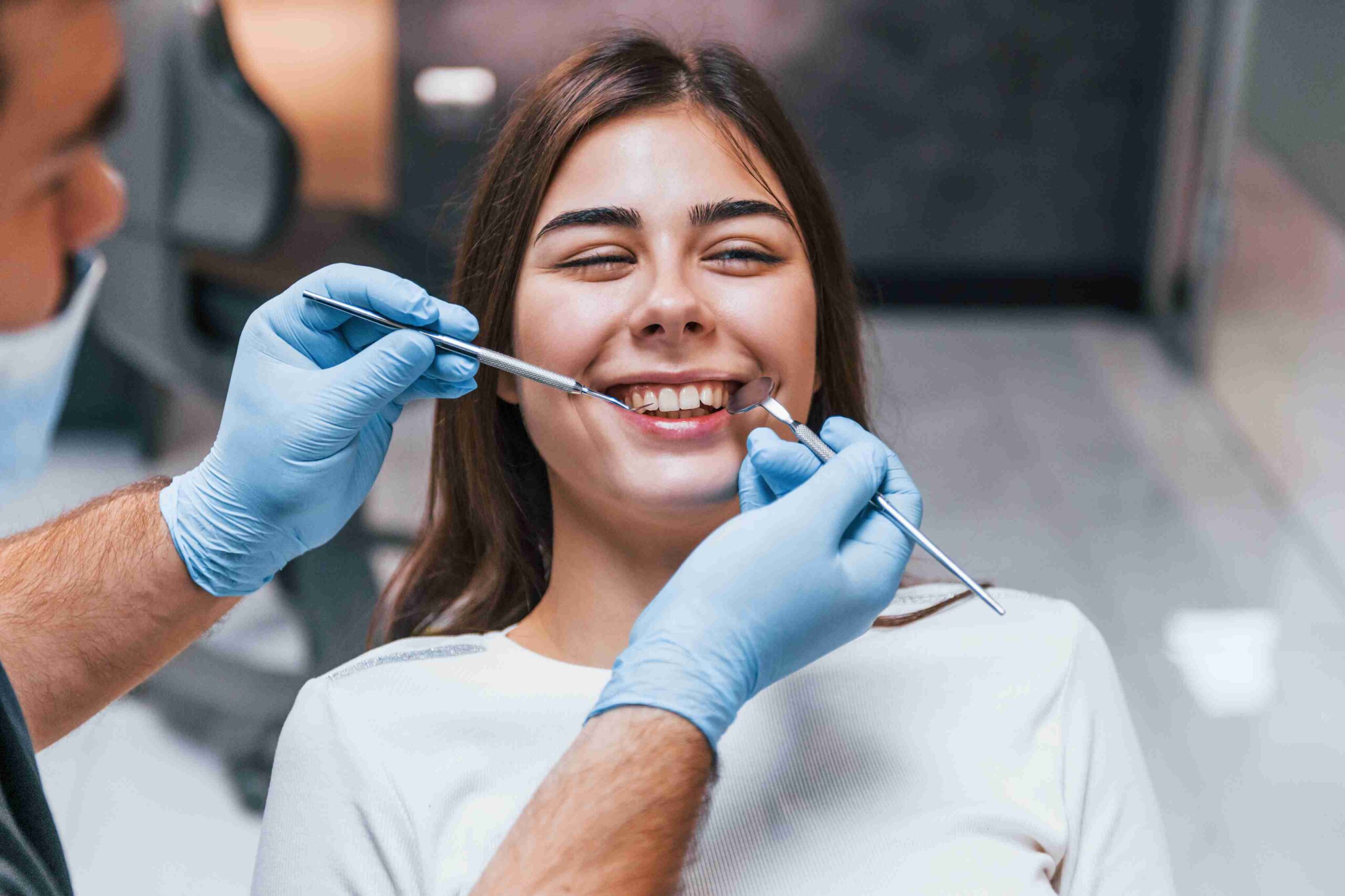
Veneers Downtown Toronto, ON may help selected patients improve front teeth that look chipped, worn, stained, uneven, narrow, or slightly misshaped. Veneers are thin custom restorations placed on the visible surface of teeth after an exam. Patients in downtown Toronto and Church-Wellesley Village should have enamel, gum health, bite pressure, old fillings, tooth shade, missing teeth, and urgent dental concerns reviewed before choosing veneers or another cosmetic option.
A small change in the front tooth can affect the look of the whole smile. A chip may catch light in photos. A worn edge may make one tooth appear shorter. A deep stain may stay visible even after cleaning. Some patients in downtown Toronto also notice that a tooth looks uneven because of its shape, position, or older dental work.
Veneers Downtown Toronto, ON may be discussed when the main concern involves the visible surface of selected front teeth. Veneers can often change the appearance of shades, shape, length, and texture. They are not the right choice for every concern. A dental exam should come first, so the dentist can review enamel, gum health, bite pressure, old fillings, sensitivity, and whether whitening, bonding, crowns, alignment, or other care may fit better.
What Veneers Are Designed to Improve
Veneers are thin restorations placed on the front surface of teeth. They are often used on teeth that show when smiling or speaking. Veneers may help with chipped edges, worn enamel, deep stains, small cosmetic spaces, or teeth that appear slightly narrow or uneven.
A veneer changes the surface of a tooth. It does not move a tooth through bone, treat infection, replace a missing tooth, or fix gum disease.
Patients considering dental veneers at Church-Wellesley Village, ON should expect the dentist to check whether the tooth is healthy enough to support this type of restoration. Cosmetic care should begin with a diagnosis.
Veneers and Whitening Solve Different Problems
Whitening lightens natural enamel. Veneers change the visible surface of selected teeth. These treatments may both improve appearance, but they do different jobs.
Teeth whitening Downtown Toronto, ON may be helpful if the main concern is yellowing or stains on natural teeth. Whitening will not repair chips, reshape teeth, or change the colour of crowns, fillings, bridges, or veneers.
If a patient wants both whitening and veneers, timing matters. Natural teeth may be whitened before final veneer shade selection because veneers do not whiten after placement.
Tooth Structure Comes First
A tooth needs enough healthy structure to support a veneer. If a tooth has a large filling, deep crack, active decay, or nerve symptoms, another treatment may be safer.
The dentist may check X-rays, gumline, enamel thickness, bite contacts, and old restorations. A tooth that looks like a cosmetic concern from the outside may have a structural issue underneath.
If the tooth is weak or heavily restored, a crown may be recommended instead of a veneer. If the concern is small, bonding may be enough. The right choice depends on the exam.
Missing Teeth Can Affect Cosmetic Planning
Smiling planning is not limited to front tooth surfaces. A missing tooth can change the bite and the way nearby teeth sit. It may also affect how the smile looks from the side.
Patients interested in dental implants in Downtown Toronto, ON may need replacement planning before or alongside cosmetic treatment. An implant replaces a missing tooth space, while veneers improve existing teeth. These options may be part of the same broader plan, but they are not interchangeable.
If the bite is unstable because of a missing tooth, the dentist may recommend addressing function before final cosmetic treatment.
Family Dental Visits Often Start the Conversation
Cosmetic questions often come up during routine visits. A patient may not book a visit for veneers first. They may ask during a cleaning why a tooth looks darker, why one edge is chipping, or why an old filling no longer blends.
A family dentist in Downtown Toronto, ON can review cosmetic concerns in the context of overall oral health. This includes gums, cavities, bite pressure, enamel wear, dental history, and home care.
This approach helps patients avoid choosing a cosmetic treatment before understanding the tooth beneath it.
Church-Wellesley Village Patients May Have Mixed Needs
A patient visiting a dentist at Church-Wellesley Village, ON may have several concerns at the same time. One tooth may be chipped, another may be stained, and a back tooth may need restorative care.
A full exam helps decide what should come first. Gum inflammation may need attention before veneers. A cracked tooth may need a crown. A missing tooth may need replacement planning.
The best cosmetic plan often depends on the health of the whole mouth, not only on the teeth that show most.
Dental Emergencies Should Be Handled Before Veneers
A cosmetic visit should wait if a tooth to be painful, swollen, broken deeply, or showing infection signs. Pain should not be covered with a cosmetic restoration before the cause is known.
A person searching for an emergency dentist at Church-Wellesley Village, ON may have severe tooth pain, trauma, swelling, uncontrolled bleeding, fever, or a broken restoration. These concerns need prompt evaluation. If swelling affects breathing or swallowing, emergency medical care is needed right away.
Once the urgent problem is stable, the dentist can discuss cosmetic repair, shade, shape, and final restoration choices.
Wisdom Tooth Pain Is a Different Concern
A front tooth veneer plan is separate from wisdom tooth concerns. Still, a patient may have both cosmetic goals and discomfort at the back of the mouth.
Wisdom teeth removal Church-Wellesley Village, ON may be discussed if a wisdom tooth is impacted, painful, infected, damaging nearby teeth, or difficult to keep clean. This should be evaluated on its own before elective cosmetic work continues.
Treating urgent or active oral health concerns first can help make cosmetic planning safer and more predictable.
Bite Pressure Can Damage Veneers
Front teeth guide chewing movements. If a patient grinds, clenches, chews ice, bites nails, or has uneven bite contacts, veneers may face extra pressure.
The dentist may look for worn enamel, chipped edges, jaw soreness, cracked fillings, or repeated restoration breakage. These clues can change the treatment plan.
A veneer should be designed for real daily function, not only for appearance. Bite review helps protect both the restoration and the natural tooth.
What Patients May Appreciate About Veneers
When suitable, veneers may help improve several visible smile concerns.
They may help:
- Improve chipped front tooth edges
- Cover stains that do not respond well to whitening
- Make worn teeth look more even
- Change the appearance of tooth shape
- Close small cosmetic spaces
- Improve surface texture
- Create a more balanced front-tooth look
- Blend selected teeth with nearby natural teeth
These benefits depend on enamel, gums, bite, diagnosis, and daily maintenance.
What Usually Happens During Veneer Planning
Before treatment, the dentist reviews cosmetic goals, oral health, tooth structure, gums, bite, and existing restorations. Photos, X-rays, impressions, or scans may be recommended depending on the case.
During preparation, a small amount of enamel may be adjusted based on the veneer type and treatment plan. Impressions or scans help create veneers that fit the teeth. Temporary restorations may be used in some cases.
At placement, the dentist checks fit, colour, shape, bite, and appearance before securing the veneers. After treatment, patients should clean carefully around the gumline, avoid using teeth as tools, and keep regular dental visits.
Local Patient Review
“I thought veneers were only about making teeth whiter, but the visit helped me understand how my bite, old filling, and gumline affected the final plan.”
Cosmetic Care Should Still Protect Oral Health
Veneers can help improve visible tooth concerns, but the best results begin with a clear look at tooth structure, gums, bite pressure, shade, and long-term function. For patients comparing appearance-focused options, Church Street Dental Care provides thoughtful planning that keeps the health of the tooth at the centre of the decision.
Frequently Asked Questions
Can veneers fix chipped front teeth?
Veneers may improve selected chipped teeth if enough healthy structure remains. The dentist should check enamel, gums, and bite first.
Do veneers whiten over time?
No. Veneers do not whiten like natural enamel. Shades should be planned carefully before they are made.
Should whitening happen before veneers?
Sometimes. If nearby natural teeth are whitened, it may be best to do that before final veneer shade selection.
Are veneers right for weak teeth?
Not always. Weak, cracked, heavily filled, or painful teeth may need crowns or another treatment instead.
Can missing teeth affect veneer planning?
Yes. Missing teeth can change bite pressure and spacing. Replacement options may need to be reviewed before final cosmetic work.
What if a tooth hurts before cosmetic treatment?
Pain should be evaluated first. Decay, cracks, nerve inflammation, or infection may need to be careful before veneers are planned.
Can wisdom tooth pain delay cosmetic care?
Yes. Pain, swelling, or infection near wisdom teeth should be reviewed before elective cosmetic treatment continues.
Do veneers need special cleaning?
They need daily brushing, flossing, and regular dental visits. The gumline and veneer edges should be kept clean.